Serving Pasadena, TX and surrounding areas. (281) 699-5407
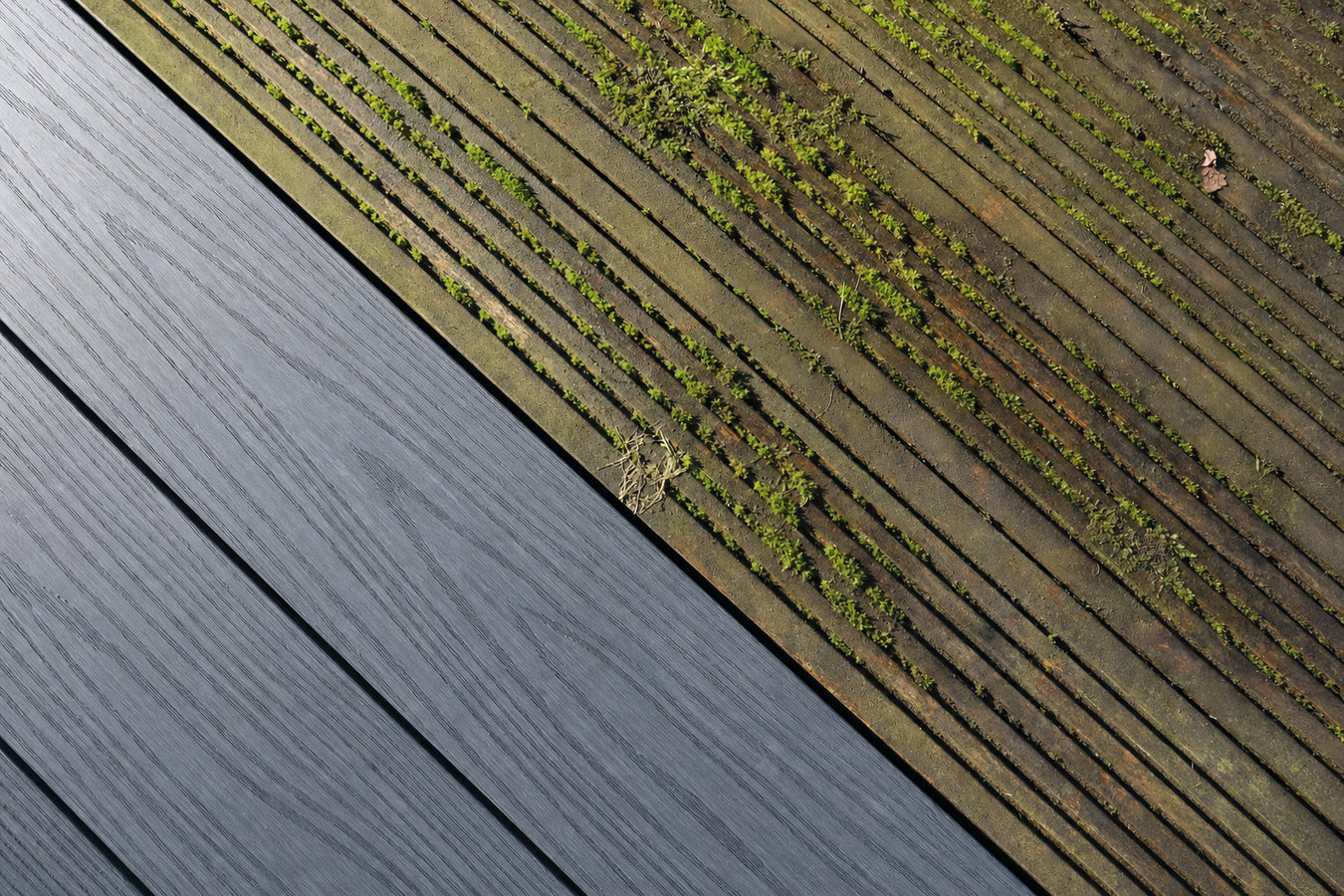
Soft boards, wobbly railings, or a deck that went through Harvey - we inspect the full structure, give you a written estimate, and handle every permit before we pick up a tool.
Deck repair and replacement in Pasadena covers everything from swapping a few soft boards to tearing down a full structure and building it back up from the footings, and most standard residential projects take two to five working days once materials are on-site and any required permits are approved. The right answer - repair or replace - depends on the condition of the frame underneath, not just the surface boards, which is why every project starts with a full structural inspection.
Pasadena homeowners deal with conditions that accelerate deck wear faster than most parts of the country. High humidity, Gulf Coast storms, and the area's expansive clay soil all put stress on deck structures in ways that often do not show up on the surface until the damage is serious. If your deck went through Hurricane Harvey or any significant flooding since, there is a real chance the frame and fasteners took on hidden damage that warrants a professional look. We also handle deck staining and sealing after repairs are complete, which is the most important maintenance step for extending the life of any repaired or replaced deck in this climate.
Every estimate includes a written breakdown of what needs to be done, what materials will be used, and the total cost - so you are not guessing. If something unexpected is found when the boards come off, you hear about it before we proceed.
If you notice any give or bounce when you walk on the deck - especially near the edges or close to the house - moisture has gotten into the wood and started breaking it down from the inside. In Pasadena's humid climate, this decay spreads quickly once it starts. Press your foot firmly across the deck; if anything feels different from the rest, it is worth having the structure checked.
A railing that moves when you lean on it is a safety issue, especially if you have children or elderly family members using the deck. Loose railings usually mean posts have rotted at the base, hardware has corroded, or the frame they attach to has weakened. This is one of the most common problems on older Pasadena decks that have been through years of heat, humidity, and rain.
Black or gray staining - especially in shaded areas or near the house - often signals mold or mildew that has worked into the wood. In Pasadena's climate, this is not just a cosmetic problem. It usually means moisture is trapped in the wood and decay is not far behind. If the staining is widespread or the wood feels soft in those areas, surface cleaning alone will not fix it.
Decks that were submerged or repeatedly saturated during Hurricane Harvey - or any major flood since - often have structural damage that is not visible from the top. Floodwater accelerates corrosion on metal connectors and drives moisture into wood joints in ways that do not show up until the damage is already serious. If your deck went through a flood event and has never been inspected since, that is the first thing to do.
Not every deck problem requires a full tear-down. If the frame underneath is solid and the damage is limited to surface boards, a railing section, or a few posts, targeted repairs can add years of life at a fraction of the cost of replacement. We assess the full structure before recommending anything - that means checking the posts, beams, and the connection between the deck and the house, not just what you can see from standing on top. For decks where the main structural components have failed, a full replacement is usually the more cost-effective answer because patching around a compromised frame is temporary at best.
When it is time for a full replacement, we handle tear-down and haul-away of the old material, footing evaluation or replacement, new framing, and new decking boards in whatever material best fits your needs and budget - pressure-treated lumber, composite, cedar, or Trex. After the work is complete, deck railing installation is often the final step, and we can design and install railings that meet current Pasadena building code requirements as part of the same project.
Suited for decks with isolated soft or damaged boards where the underlying frame is still structurally sound.
Right for decks where railings wobble or posts have rotted at the base but the main frame is in good condition.
For decks where posts have shifted or footings have been affected by Pasadena's clay soil movement.
The right call when the main structural frame - posts, beams, ledger board - has failed or is too far gone for targeted repairs.
For decks that went through Harvey or subsequent flooding - covers both visible damage and hidden structural wear.
During a full replacement, homeowners can upgrade from wood to composite or Trex decking for lower long-term maintenance.
Pasadena's combination of heat, humidity, and periodic flooding makes deck maintenance more urgent here than in most parts of the country. A deck that might last 20 years in a drier climate may need significant repairs in eight to twelve years here if it has not been sealed and maintained consistently. Many neighborhoods in Pasadena - particularly those built in the 1970s through the 1990s - have original decks that have never been replaced, and decks from that era were often built with materials and fastening methods that do not hold up as well as current standards. If your home is more than 25 years old and the deck has never been replaced, there is a reasonable chance the frame has more wear than the surface suggests.
The area's expansive clay soil is the other major factor that separates deck work in this market from work in drier parts of Texas. The Harris County soil profile includes heavy clay that swells when it absorbs water and shrinks when it dries out, and that constant movement pushes deck posts and footings out of alignment over time. We account for this on every repair and replacement project - checking footing depth and post condition as part of the standard inspection. We serve homeowners across South Houston and Pearland, where the same soil and climate conditions apply and where older housing stock means deck repair and replacement are common needs.
We respond within 1 business day. The first conversation covers what you are noticing - soft spots, loose railings, flood history - so we know what to look for when we come out. No diagnostic fee for the site visit.
We check the surface boards, the frame underneath, the posts, and the connection to the house. You get a written estimate that distinguishes between what needs to be done and what is optional, so you can make an informed decision.
For most replacement projects in Pasadena, we submit a permit application to the City of Pasadena Building Services before work starts. We handle the paperwork and the plan review process - typically a few days to two weeks depending on the city's workload.
Most repairs take one to two days. Full replacements typically take three to five working days. After any required city inspection passes, we walk you through the completed work and cover maintenance steps to follow in the first year.
We respond within 1 business day. We come to your property, inspect the full structure - not just the surface - and give you a written estimate before you commit to anything. No pressure, no obligation.
(281) 699-5407We check the posts, beams, fasteners, and the connection to your house before recommending anything. Surface boards can look worn while the frame is fine, or look passable while the structure is compromised. We tell you what is actually wrong - not just what is easy to see.
We pull every permit required by the City of Pasadena and schedule all required inspections. Unpermitted deck work is a common problem in the Houston area that surfaces at the worst possible time - during a home sale. Every project we complete is properly documented and inspected.
We do not push for full replacement when targeted repairs will do the job. We do not recommend band-aid repairs when the frame is too far gone. You get a straight answer about which option actually makes sense for your deck's condition and your budget.
We use materials and fastening methods designed for the heat, humidity, and storm cycles that come with living in the Houston area. A deck built to drier-climate standards will not last here - and that detail matters on every repair and replacement project we take on.
The North American Deck and Railing Association (NADRA) recommends having any deck that was submerged or saturated during a flood event professionally inspected before use. For Pasadena homeowners, that guidance is directly relevant to the damage patterns we see from Hurricane Harvey and the flooding events that have followed. The Texas Department of Licensing and Regulation (TDLR) is the state body that oversees contractor registration in Texas, and you can verify any contractor you are considering is in good standing before work starts.
The most important maintenance step after any repair or replacement - sealing protects new wood from Pasadena's humidity and UV exposure.
Learn MoreNew railings installed to current Pasadena building code requirements - often the final step after a full deck replacement.
Learn MoreSummer books up fast in the Houston area - call Advanced Pasadena Deck & Fence today to get your project on the schedule before the season fills.